 Skip to content

Counterfeit skincare is a real problem in Nairobi, and it is getting better at hiding. The packaging is close, the price is only slightly off, and the shop looks like any other. Here is how to check, in the order that actually catches things.
We sell these brands, so take the obvious caveat: we have an interest in you buying from someone traceable. But everything below works whoever you buy from, including on us.
Start with the price
This catches more fakes than every packaging check put together. Imported skincare has a floor: the wholesale price, plus shipping, plus import duty and VAT, plus a margin thin enough to keep the lights on. Nobody in Kenya is selling genuine stock meaningfully below that floor, because there is nothing left to sell it from.
So if one listing is thirty or forty per cent below everyone else, the question is not “how are they so cheap”. It is “what is in the bottle”. A sale on an expiring batch is normal and the seller will usually say so. A permanently low price on a popular product is not.
Then check the batch code
Every legitimate cosmetic carries a batch code — usually stamped or laser-etched, not printed on the label. Two things to look at:
- Does the code on the bottle match the code on the box? Counterfeiters often print one generic box and fill it with whatever they have.
- Is it stamped or printed? Genuine batch codes are applied to the container itself after filling, so they look slightly different from the rest of the printing — sharper, sometimes uneven, occasionally smudged. A batch code that is part of the label artwork is a bad sign.
Then the physical details
Fakes have got good at the front of the box and stayed bad at the back and the inside. Look at:
- Text quality on the small print. Ingredient lists are where counterfeiters get lazy. Blurred edges, inconsistent spacing, a font that changes halfway down, misspellings in the Latin ingredient names.
- The seal and the pump. Genuine pumps prime in two or three presses and dispense evenly. Fake ones stutter, leak around the collar, or dispense far too much.
- Weight and fill level. A real bottle has a consistent headspace. If two of the same product on a shelf are filled to obviously different levels, something is wrong.
- Smell. If you know the product, you know the smell. Counterfeits are frequently close on colour and nowhere near on scent.
The one that matters most: if a product promises to lighten your whole complexion within days, the risk is not that it is fake — it is that it works. Fast, whole-face lightening comes from ingredients that cause lasting damage, and some of them are not skin problems at all. No legitimate product makes that promise.
Check the seller, not just the product
Most of the protection is in who you are buying from rather than what you are holding.
- Is there a physical address or a consistent shopfront? Somewhere you could go back to.
- Will they take a return? A seller who stands behind stock they did not choose is a seller who trusts their supplier.
- Do they know their products? Ask what the difference is between two items in the same range. Someone who sources properly can answer; someone shifting boxes cannot.
- Is the stock list coherent? Real importers carry ranges — several products from the same brand. A seller with exactly one hero product from each of fifteen famous brands is buying from whoever is cheapest that week.
Which products get faked most
The pattern is predictable: expensive enough to be worth copying, popular enough to sell quickly, recognisable enough that people buy on sight rather than reading. In our market that means the big dermatological names, the viral Korean serums and ampoules, and anything that went round TikTok in the last six months.
The quieter parts of a brand’s range are rarely counterfeited, because there is no volume in it. If you are nervous, the unglamorous product is usually the safer one.
What to do if you think you bought one
- Stop using it. Not worth the gamble on an unknown formulation.
- Photograph everything — box, batch codes, receipt, the listing.
- Go back to the seller first. A legitimate one will want to know; a bad one will tell you something useful by how they react.
- Report it to the Anti-Counterfeit Authority if the seller will not resolve it. Brands also run their own reporting channels and take them seriously.
- Watch your skin. If you get a reaction beyond mild irritation, see a doctor and bring the product with you.
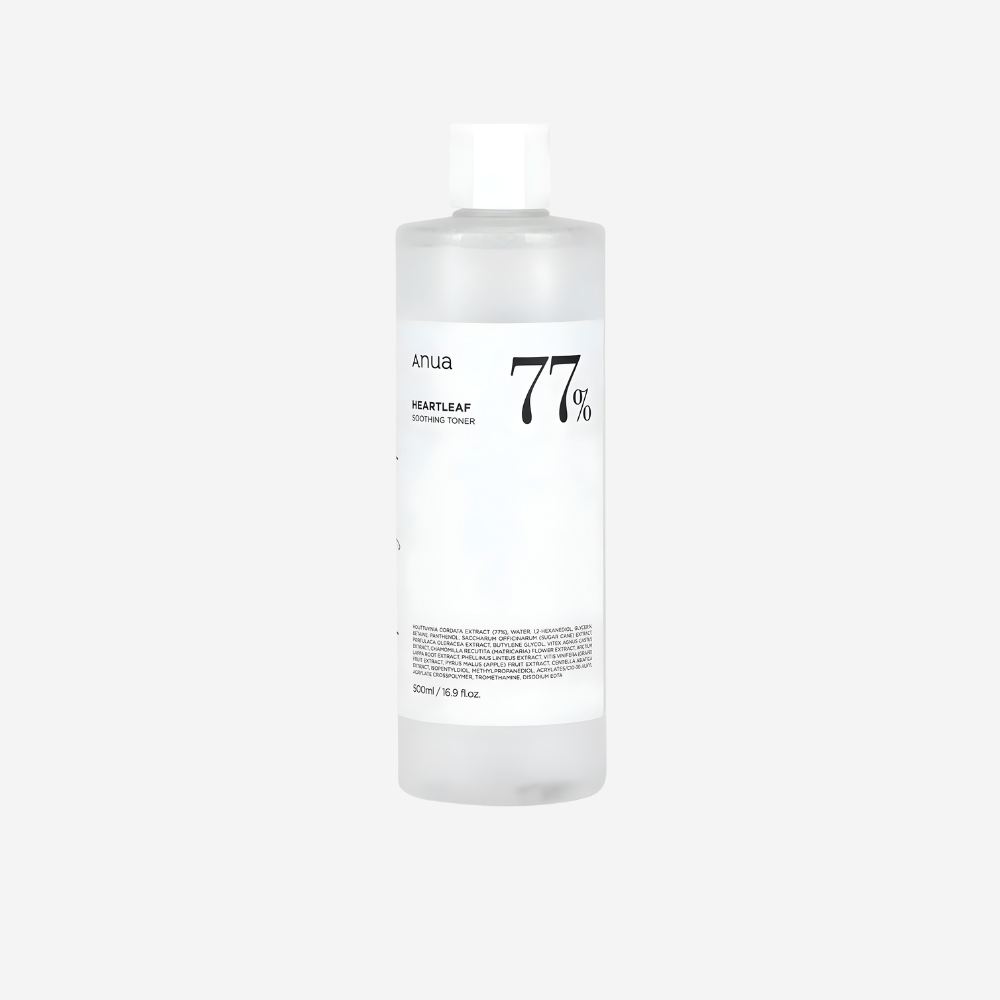 Anua Heartleaf 77% Soothing TonerKSh 2,799
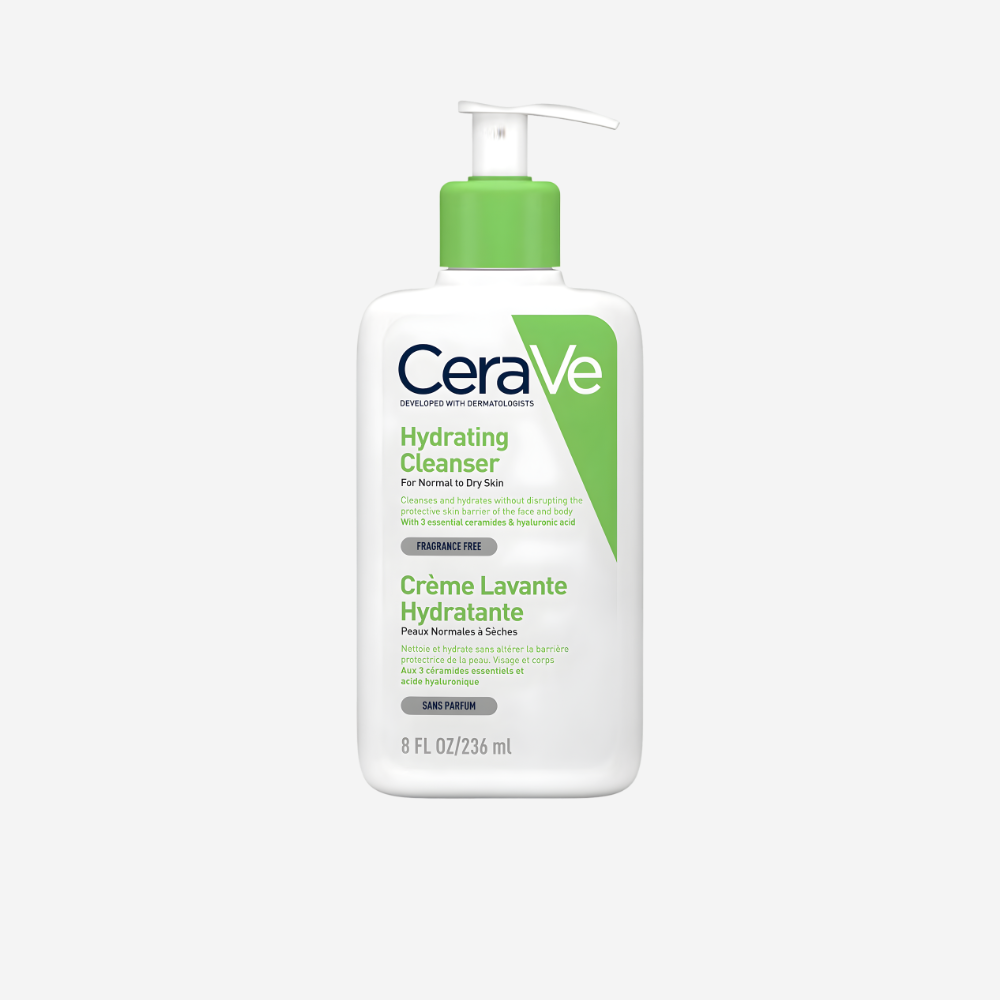 Cerave Hydrating Cleanser 236 mlKSh 2,300
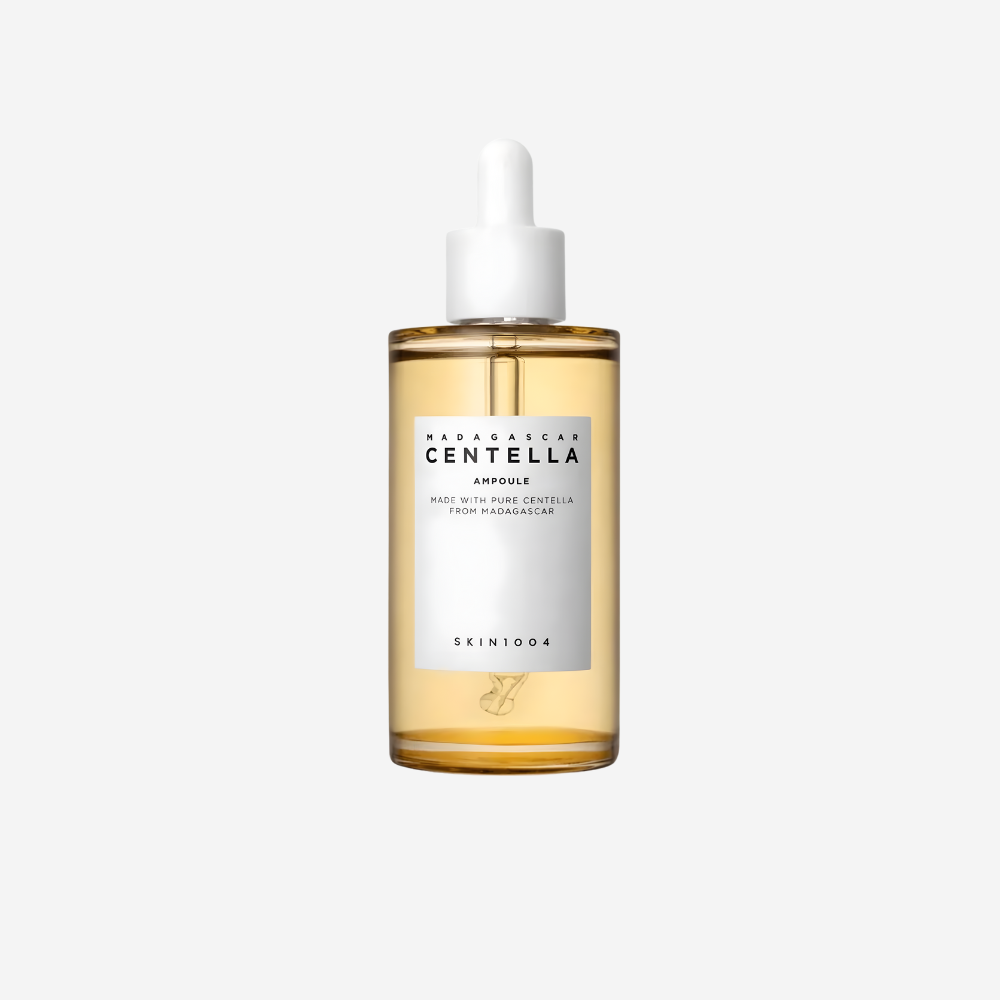 SKIN1004 Madagascar Centella Asiatica AmpouleKSh 2,399
How we source
We buy from authorised distributors and importers, we keep the paperwork, and we carry full ranges rather than single hero products — which is why you will find several Anua, CeraVe or SKIN1004 items here rather than one of each. If anything you buy from us turns out not to be right, tell us and we will sort it out. Our returns policy is written in plain language for exactly that reason.
