 Skip to content

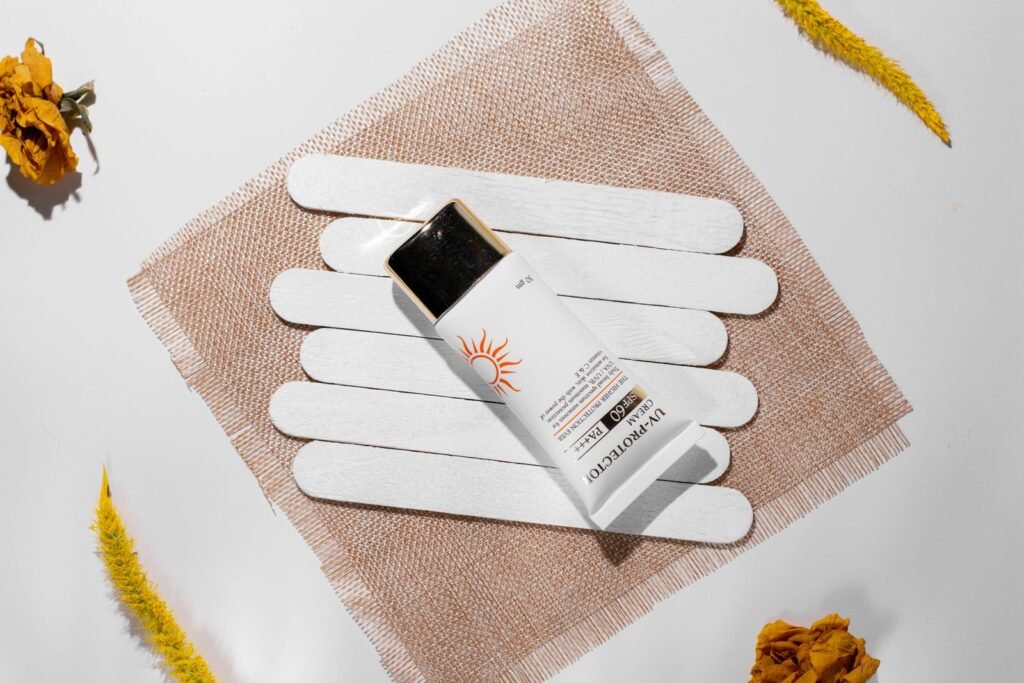
The reason most people with deeper skin do not wear sunscreen is not that they think they do not need it. It is that the sunscreens they tried made them look grey. That was a real problem, and it has largely been solved — but the products that solved it are not the ones in most supermarket aisles.
First, the part people skip
Melanin gives meaningful protection — the often-quoted figure is somewhere around SPF 13, though it varies and it is not evenly distributed across the skin. That is real, and it is not enough.
It does little against the longer wavelengths that drive pigmentation, which is the point that matters most here. If you are working on dark spots, uneven tone or melasma, unprotected sun exposure will undo the work faster than any serum can do it. That is the honest case for sunscreen on deep skin: not fear of burning, but that pigmentation treatment without it is money spent on nothing.
And at this altitude. Nairobi is 1,795 metres up and almost on the equator. UV intensity rises with altitude and the sun sits close to overhead year round. There is no season here where it is genuinely low.
Why the white cast happened
Sunscreens work in two ways. Mineral filters — zinc oxide and titanium dioxide — sit on the surface as fine white particles and scatter light. That whiteness is the product working; on pale skin it disappears, on deep skin it does not.
Chemical filters are clear. They absorb UV and convert it to a small amount of heat. They leave no cast at all, because there is nothing white to leave.
For years the chemical filters widely available were older, less stable and less pleasant to wear. That is the bit that changed. The newer generation — common in Korean and European formulations, and slower to arrive in some other markets for regulatory reasons rather than safety ones — are clear, stable, and cosmetically far better.
What to look for on the label
- SPF 50+ and PA++++. SPF covers the burning wavelengths; the PA rating covers the longer ones that drive pigmentation and ageing. For dark spots, the PA rating is the one to check.
- “No white cast”, “invisible” or a serum-like texture. Usually a sign of an all-chemical filter system.
- A finish that matches your skin. Dewy finishes look wet on oily skin in humid weather. Matte or “water-fit” textures wear better here.
- Fragrance-free, if you are treating pigmentation. Irritation causes pigment; that is the whole mechanism you are fighting.
Getting enough on
This is where most routines quietly fail. The SPF on the bottle is measured at a thickness almost nobody applies — roughly two finger-lengths squeezed along your index and middle fingers, for the face and neck. Half of that does not give you half the protection; it gives you considerably less.
Two habits that help:
- Apply in two thin layers rather than one thick one. Less pilling, and you get closer to the real amount.
- Reapply if you are outside — every two hours, or after heavy sweating. Indoors away from windows, the morning application is usually fine.
Sunscreens we carry that do not go grey
- SKIN1004 Hyalu-Cica Water-Fit Sun Serum SPF50+ PA++++ — light, serum-like
- COSRX Ultra-Light Invisible Sunscreen SPF50 — the invisible-finish option
- Beauty of Joseon Relief Sun Rice SPF50+ — comfortable enough to wear daily
- Everything in our sun care range
Common objections, answered honestly
It makes me break out.
Often true of heavy, dewy formulas on oily skin in a warm climate. A light, alcohol-containing gel or a water-fit serum texture usually solves it. If it does not, double-cleanse at night — sunscreen needs actually removing.
It pills under make-up.
Almost always an application problem. Let each layer settle for a minute before the next; do not rub a foundation into a sunscreen that has not set.
I am indoors all day.
Then your need is lower — but glass passes the pigmentation-driving wavelengths, so a desk by a window is not indoors for this purpose.
Is it worth it if I am not treating anything?
Less urgent, but it is still the single most effective anti-ageing step available, and it costs a few minutes a day.
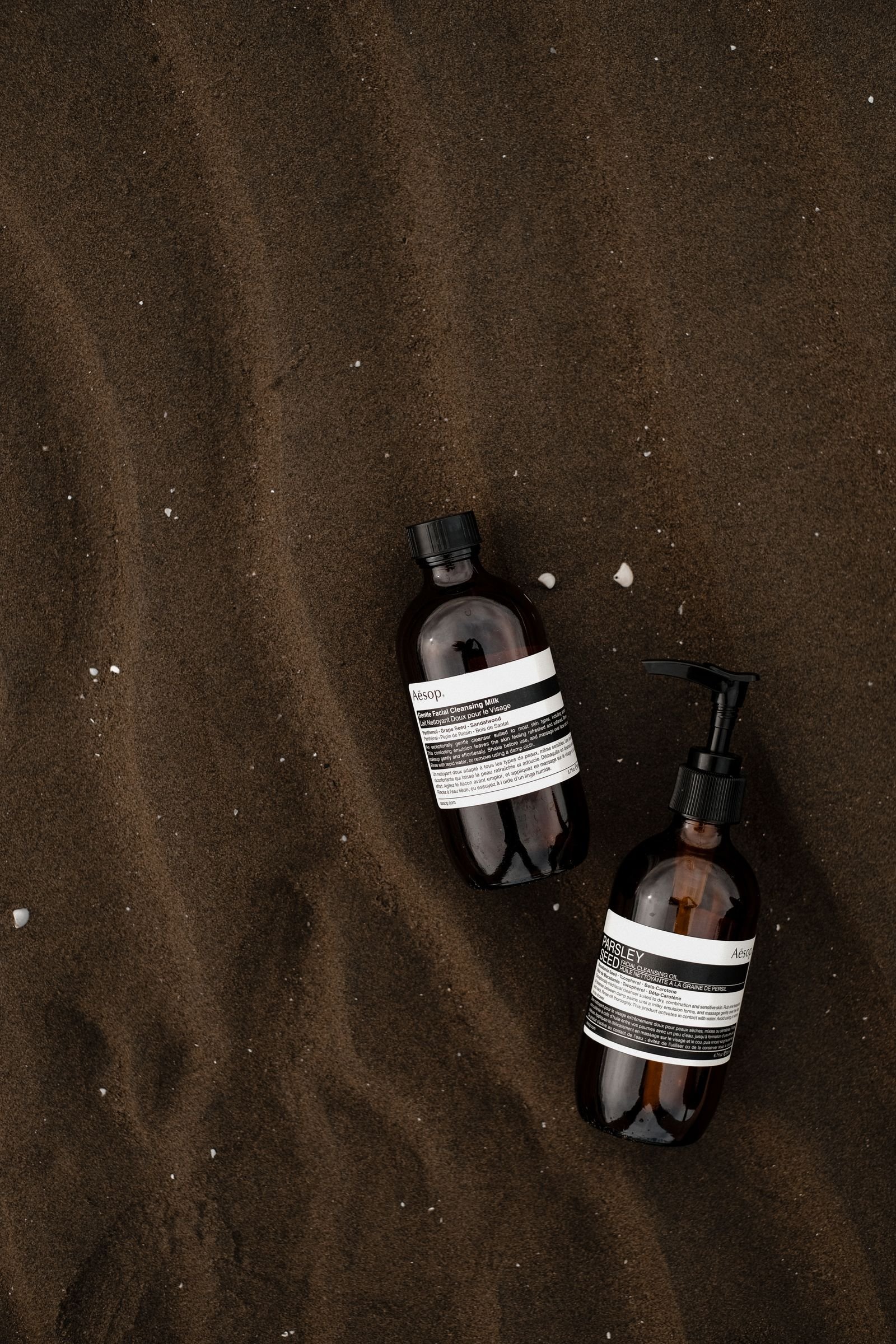
If dark spots are the reason you are here, sunscreen is step one and the treatment is step two — we wrote about the rest of that routine in how to fade dark spots in Kenya. Everything above is in stock in Nairobi with same-day dispatch before 5pm.
