 Skip to content

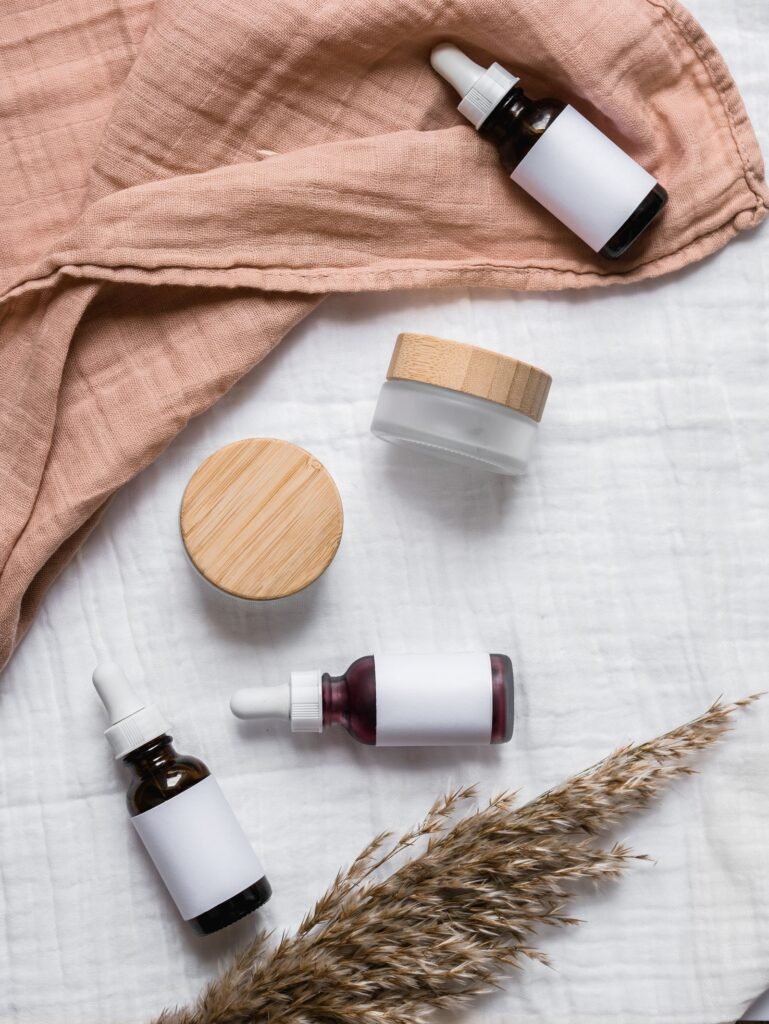
Every year around June, and again in January, the shop gets the same questions. Skin that was fine in April is suddenly tight, flaking around the nose, stinging when a serum goes on. Nothing has changed in the routine — which is exactly the problem.
What the dry season does
Nairobi’s drier months pull moisture out of the air, and air that is drier than your skin will take water from your skin to balance itself. Add the altitude — thinner atmosphere, stronger UV — and a bit of dust, and the outer layer of skin loses water faster than it can replace it.
The outer layer is the barrier: a thin, slightly greasy wall of dead cells and lipids that keeps water in and irritants out. When it dries out, it cracks at a microscopic level. Water escapes faster, irritants get in more easily, and products that were fine last month start to sting.
How to tell it is your barrier and not something else. A damaged barrier stings when you apply things that never used to sting, looks slightly shiny or tight rather than obviously flaky, and gets worse when you treat it harder. If your response to the problem is making it worse, it is almost always the barrier.
The mistake almost everyone makes
Dry skin feels rough, so people exfoliate. Skin looks dull, so they reach for a stronger active. Both make it worse, because the roughness is not build-up — it is a barrier that has lost its structure.
The second mistake is humectants without a seal. Glycerin, hyaluronic acid and honey work by drawing water towards themselves. In humid weather they pull it from the air; in dry weather, with nothing on top to hold it, they pull it from deeper in your skin and then let it evaporate. A hyaluronic acid serum with no cream over it can leave you drier in August than using nothing at all.
What to change, in order of how much it helps
1. Change your cleanser before anything else
This is the biggest single lever and the one people skip. If your face feels tight for even a minute after washing, the cleanser is taking lipids you cannot spare. Move to a cream, milk or low-pH foam for these months. You can go back in April.
2. Put moisturiser on damp skin
Within sixty seconds of washing, while the skin still holds surface water. This one habit changes more than most product swaps.
3. Add an occlusive at night
Something that physically slows evaporation — a balm, an ointment, a body oil on the drier patches. It goes last, over everything else. This is what “slugging” is, and in dry months it earns its reputation.
4. Pause the actives — but not the sunscreen
Retinoids, strong acids and high-percentage vitamin C can wait two weeks while the barrier rebuilds. Sunscreen cannot: UV damages the barrier directly, and the dry season is not a low-UV season here. Keep the SPF, drop the rest, reintroduce one at a time.
5. Then look at your ingredients
Ceramides replace what the barrier has lost. Panthenol calms and helps it repair. Centella settles the redness that comes with it. Squalane and cocoa butter sit on top and hold everything in.
What we reach for in the dry months
- CeraVe Hydrating Cleanser — cleansing without stripping
- Purito Bamboo Panthenol Cream — the repair step
- Palmer’s Cocoa Butter Skin Therapy Oil — the seal
- Body lotion — the part of the body most people forget until it itches
Do not forget the rest of you
Faces get the attention; shins, forearms and knuckles do the suffering. The same rules apply and the fixes are cheaper: a non-soap body wash, lotion on damp skin straight out of the shower, and an oil over the top on the worst patches. If your legs are ashy by mid-morning, you are moisturising dry skin rather than damp skin.
How long it takes to come back
A mildly compromised barrier recovers in a week to ten days of being left alone. A badly damaged one — months of over-exfoliating, or a reaction to a harsh lightening cream — can take six to eight weeks. In both cases the treatment is the same and it is frustratingly passive: cleanse gently, moisturise, protect, wait, and resist the urge to fix it faster.
Questions we get
Can I still use my vitamin C?
Once the stinging has stopped, yes — reintroduce it two or three times a week before going daily.
Is a humidifier worth it?
In a bedroom, genuinely yes, if the dryness is bad. It is doing the same job as the occlusive, from the other direction.
My skin is oily and dry at the same time.
Common, and usually a barrier problem rather than two skin types. Skin that has lost water often produces more oil to compensate. Treat the dryness and the oiliness frequently settles.
Our dry skin bundle is these three steps together — cleanse without stripping, repair, seal — which is the shape of routine that gets most people through to the rains. Free delivery across Nairobi over KSh 3,000.
